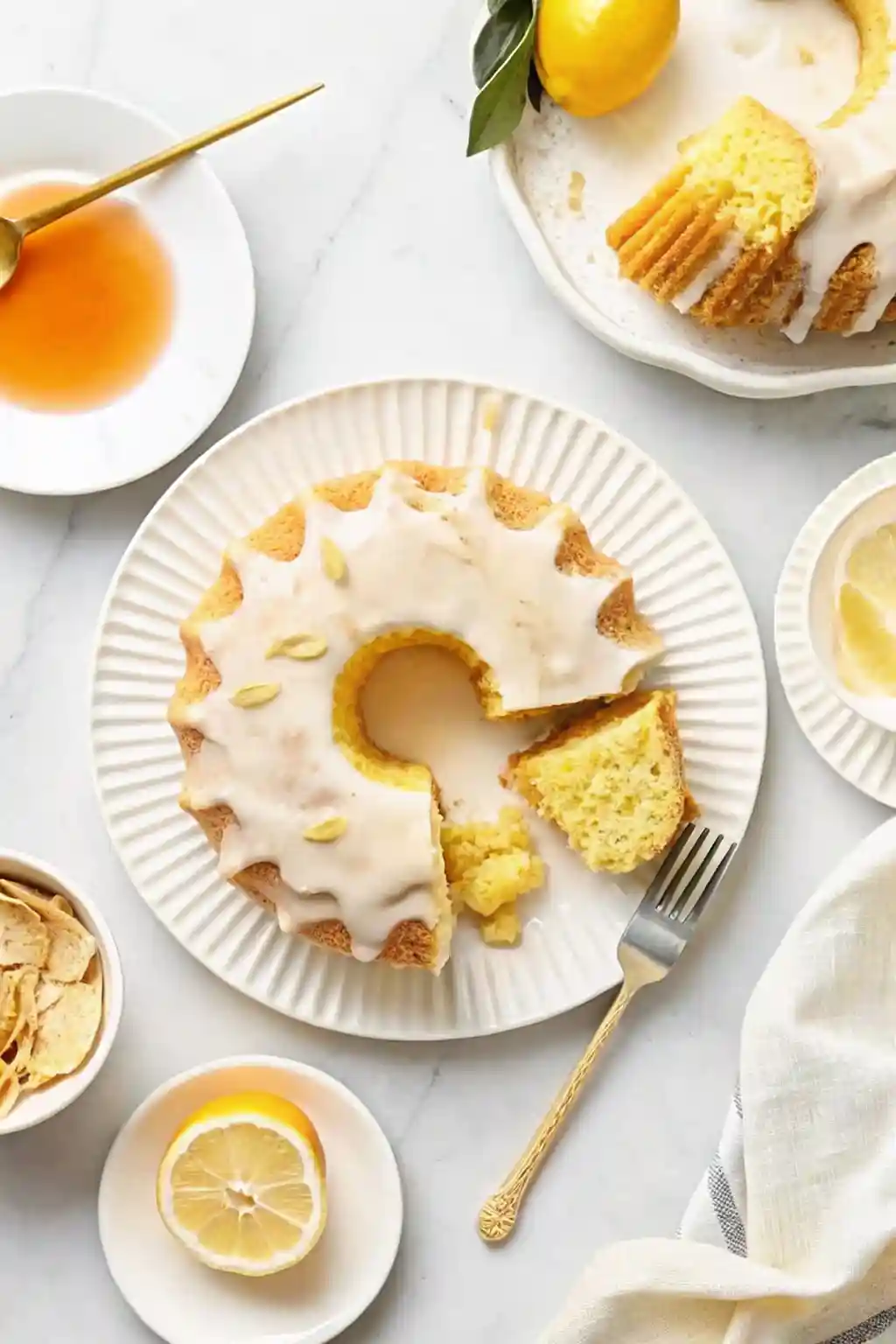
Winter often brings gray skies and chilly temperatures, but it also brings one of the culinary world’s greatest gifts: citrus season. Among the oranges and grapefruits, the Meyer lemon stands out as the crown jewel. Sweet, floral, and vibrant, it begs to be the star of your baking.
This Whole Meyer Lemon Semolina Cake is not your average sponge. It uses a brilliant “whole fruit” technique where the entire lemon—rind, pith, and flesh—is pureed into the batter. This infuses the cake with a depth of citrus flavor that zest and juice alone simply cannot achieve.
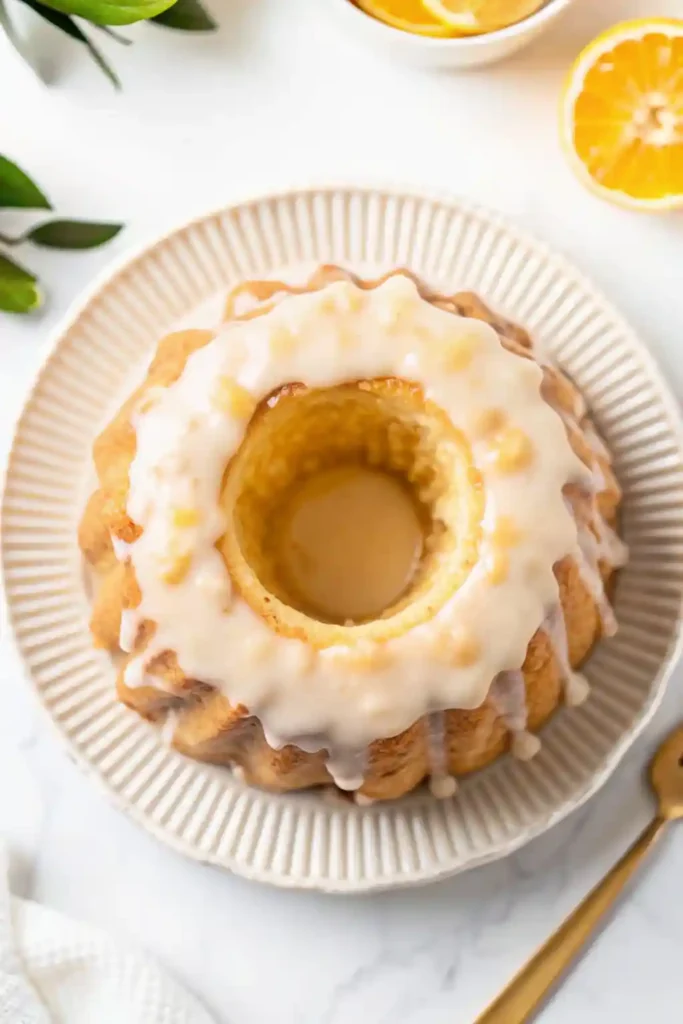
Paired with the rustic, nutty texture of semolina flour and finished with a silky yogurt-olive oil glaze, this cake is sophisticated enough for a dinner party yet simple enough for a Tuesday afternoon tea.
Why This Recipe is a Game Changer
If you have never baked with semolina or whole citrus before, you are in for a revelation. Here is why this recipe works so beautifully:
- Zero Waste, Maximum Flavor: By pureeing the whole lemon, we capture the aromatic oils in the skin and the tartness of the flesh. Because Meyer lemons have thin, sweet skins, there is no need to boil them first—just blend and bake.
- The Semolina Texture: Semolina flour, typically used for pasta, adds a gorgeous golden hue and a slightly coarse, sandy texture that prevents the cake from becoming gummy. It gives the crumb a satisfying “bite” similar to a polenta cake.
- Moist & Dense: This isn’t a fluffy, airy chiffon cake. It is a dense, moist, pound-cake-style dessert that gets better the longer it sits, making it an excellent make-ahead option.
Ingredient Deep Dive
The ingredient list is short, but specific. Let’s break down what you need and potential substitutions.
1. Meyer Lemons vs. Regular Lemons
This recipe is specifically designed for Meyer Lemons.
- Meyer Lemons: These are a cross between a lemon and a mandarin orange. They have deep yellow-orange skin, a floral aroma, and very little bitter white pith. Their skin is thin and edible, making them perfect for the “raw puree” method used here.
- Eureka/Lisbon (Regular) Lemons: These have thick, bitter pith and high acidity. Do not substitute these directly. If you only have regular lemons, you must peel them first or boil the whole lemons for 30-40 minutes to remove the bitterness before pureeing.
2. Semolina Flour
Look for “fine” semolina flour (sometimes labeled as pasta flour). It provides structure and that signature yellow color.
- Substitute: If you cannot find semolina, fine cornmeal or blanched almond flour can work, though the texture will change slightly. Almond flour will make it softer and nuttier; cornmeal will make it crunchier.
3. The Fats: Butter & Olive Oil
We use unsalted butter in the cake batter for that classic rich flavor, but we switch to Extra Virgin Olive Oil for the glaze. The grassy, peppery notes of a good olive oil pair spectacularly with the floral lemon, adding a sophisticated glossy finish to the icing.
4. Greek Yogurt
Used in the glaze, yogurt provides a tang that cuts through the powdered sugar. It creates an icing that is creamy and opaque rather than a thin, sugary drizzle.
Step-by-Step Instructions
Step 1: Prep the Pan
The detailed contours of a Bundt pan can be a nightmare for sticking.
- The Paste Method: Instead of a spray, mix 2 teaspoons of softened butter with a tablespoon of flour. Use your fingers to smear this paste into every nook and cranny of your pan. This creates a non-stick barrier that guarantees a clean release.
Step 2: The Lemon Puree
Wash your Meyer lemons thoroughly. Slice them into wedges and—this is crucial—remove every single seed. Seeds will not blend out; they will remain as hard, bitter distinct chunks in your cake.
- Toss the seeded wedges (skin and all) into a food processor with 2 tablespoons of sugar.
- Pulse until you have a semi-smooth puree. Tiny flecks of yellow peel are fine and actually look beautiful in the final crumb.
Step 3: The Batter
- Dry Mix: Whisk together the all-purpose flour, semolina, salt, baking soda, and baking powder.
- Creaming: In a stand mixer, beat the room-temperature butter and remaining sugar until pale and fluffy (about 3 minutes). Add eggs one at a time.
- Combine: Add the lemon puree. Don’t panic: The mixture will look curdled and separated. This is normal due to the high acidity of the lemon.
- Finish: Add the dry ingredients and mix on low speed just until streaks of flour disappear. Over-mixing will toughen the gluten, fighting against the tender texture we want.
Step 4: Bake
Pour into your prepared pan and bake at 325°F (160°C). This lower temperature ensures the dense batter cooks through evenly without burning the outside. It should take 35-40 minutes. The cake is done when the top springs back when pressed.
Step 5: The Glaze
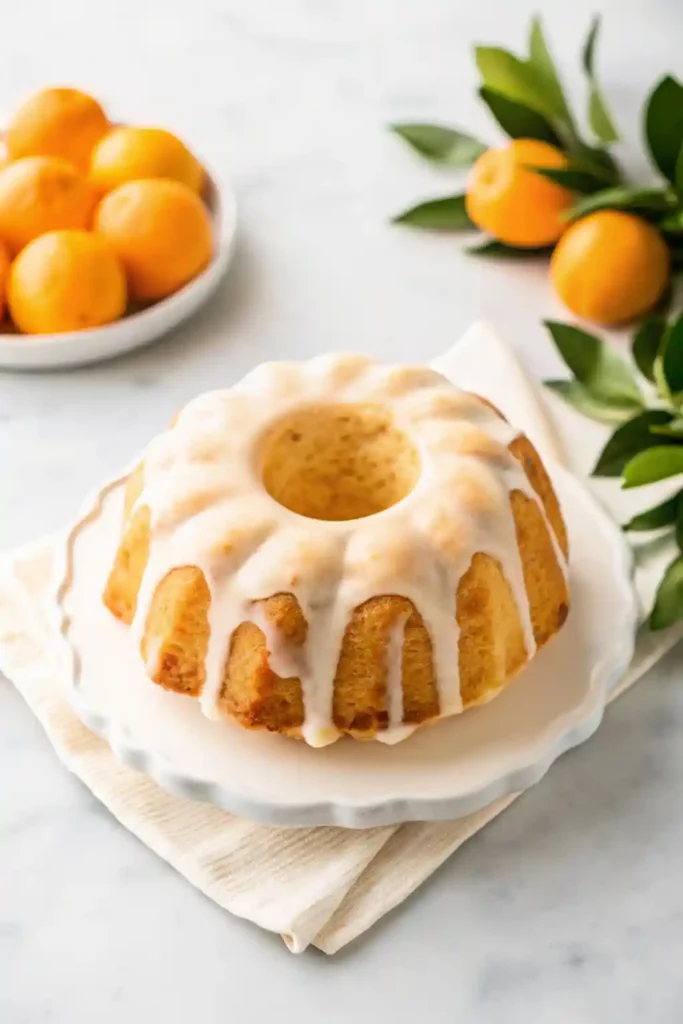
While the cake cools, whisk together powdered sugar, a splash of lemon juice, Greek yogurt, and olive oil. The consistency should be thick but pourable, like heavy cream. Drizzle over the completely cooled cake.
Serving and Storage
This cake is versatile. It is not overly sweet, making it suitable for breakfast with a dollop of yogurt, or for dessert with fresh berries.
- Storage: Because of the fruit content, this cake stays moist for days. Store it in an airtight container at room temperature for up to 3 days, or in the refrigerator for up to a week.
- Freezing: This cake freezes beautifully. Wrap the unglazed cake tightly in plastic wrap and foil. Freeze for up to 3 months. Glaze after thawing.
Frequently Asked Questions
Can I make this gluten-free? Semolina is a wheat product, so it is not naturally gluten-free. To make this GF, replace the all-purpose flour with a 1:1 Gluten-Free flour blend and replace the semolina with almond flour or a fine gluten-free cornmeal.
Why did my cake sink in the middle? This usually happens if the cake was underbaked. Because of the heavy wet fruit puree, this batter takes time to set. Ensure a toothpick comes out with only moist crumbs (no wet batter) before removing it from the oven.
Can I use a loaf pan? Yes! A standard 8×4 inch loaf pan works well. You may need to increase the baking time by 5-10 minutes as the batter will be deeper than in a Bundt or round pan.
Conclusion
The Whole Meyer Lemon Semolina Cake is a testament to the beauty of winter produce. It transforms humble ingredients into a centerpiece that glows with color and flavor. Whether you are an experienced baker or a novice, the “whole fruit” method is a fun, fragrant technique that delivers impressive results every time.

Whole Meyer Lemon Semolina Cake
Ingredients
Equipment
Method
- Preheat oven to 325°F (160°C). Mix the softened butter and flour to form a paste, then coat the inside of an 8-inch round or 6-cup Bundt pan thoroughly.
- Wash Meyer lemons, slice into wedges, and remove all seeds. Place lemons and 2 tablespoons of sugar in a food processor and pulse until a mostly smooth puree forms. Set aside.
- In a bowl, whisk together the all-purpose flour, semolina, baking powder, baking soda, and salt.
- In a stand mixer, beat the butter and remaining sugar until pale and fluffy, about 3 minutes. Add eggs one at a time, mixing well.
- Add the lemon puree to the butter mixture. The batter may look curdled—this is normal.
- Add the dry ingredients and mix on low just until combined. Do not overmix.
- Pour the batter into the prepared pan and bake for 35–40 minutes, or until a tester comes out clean and the top springs back.
- Cool the cake in the pan for 10 minutes, then invert onto a rack and cool completely.
- Whisk powdered sugar, lemon juice, Greek yogurt, and olive oil until smooth and pourable. Drizzle over the cooled cake.