In the sun-drenched coastal towns of Sorrento, Amalfi, and Capri, there is a culinary tradition that serves as the perfect punctuation to any meal: the serving of ice-cold Limoncello. This vibrant, neon-yellow liqueur is more than just a digestif; it is the essence of the Mediterranean captured in a bottle. While mass-produced versions are available in every liquor store, they often rely on artificial yellow dyes and corn syrup. This Authentic Homemade Limoncello recipe is a masterclass in purity, utilizing only four ingredients to produce a spirit that is vastly superior in both clarity and aromatic depth.
The secret to a world-class Limoncello lies in the patience of maceration and the precision of the zest. Unlike many spirits that require complex distillation, Limoncello is an infusion. By allowing the highest-proof alcohol to sit with lemon skins, you are physically extracting the essential oils (the limonene) from the zest. This process creates a “Gourmet” liqueur that is naturally fluorescent, silky on the tongue, and exploding with floral citrus notes. Whether you are seeking the perfect edible gift for the holidays or looking to master the art of the Italian “slow life,” this guide will show you the professional techniques for a “zero-pith” peel and the science of the crystal-clear simple syrup.
Why You’ll Love This Recipe
- Superior Purity: By making it yourself, you eliminate the preservatives and artificial flavorings found in commercial bottles, resulting in a cleaner, more vibrant taste.
- The Ultimate Gift: Limoncello is a sturdy, shelf-stable liqueur that looks stunning in decorative glass bottles, making it the premier choice for holiday gifting or wedding favors.
- Cost-Effective Luxury: While a bottle of premium imported Limoncello can be expensive, you can produce a large batch at home for a fraction of the price using simple pantry staples.
- Customizable Sweetness: This recipe allows you to control the sugar-to-alcohol ratio, so you can craft a “dry” Limoncello or a more syrupy, dessert-style version.
- Aromatic Therapy: The process of zesting ten pounds of lemons will perfume your entire home with a refreshing, uplifting citrus aroma that lingers for days.
Ingredient Notes & Pro Selections
The quality of a minimalist infusion depends entirely on the caliber of your base materials. Here is how to shop for a professional-grade Limoncello.
The Lemons
- Organic & Unwaxed: This is the most critical rule. Since you are only using the skin, any pesticides or wax coatings on the fruit will end up in your drink. Look for Organic Eureka or Lisbon Lemons.
- Sorrento/Meyer Influence: If you can find Meyer lemons, they offer a sweeter, more floral profile. Traditional Sorrento lemons are larger and have a thicker, oil-rich skin which is the gold standard for Italian production.
- Firmness: Choose lemons that are heavy for their size and have a bright, unblemished yellow color. Avoid green-tinted lemons, as they can add an herbal, grassy note to the liqueur.
The Alcohol
- High-Proof Grain Alcohol (190 Proof): For the most efficient extraction, use a neutral grain spirit like Everclear. High-proof alcohol is a more effective solvent, meaning it pulls the oils out of the zest faster and more thoroughly than lower-proof spirits.
- High-Quality Vodka (100 Proof): If 190 proof is not available in your region, use a 100-proof vodka (like Stolichnaya or Smirnoff Blue Label). Do not use 80-proof vodka, as the final product will be too diluted and may lack the necessary “punch” of flavor.
The Water & Sugar
- Distilled or Filtered Water: To ensure a crystal-clear appearance, use filtered water. Tap water contains minerals that can cause the Limoncello to look cloudy once the simple syrup is added.
- Granulated White Sugar: Standard white sugar is used to keep the color purely yellow. Using raw or brown sugar will result in a muddy, brownish liqueur.
The Science of Maceration: Why We Wait
Creating Limoncello is an exercise in molecular extraction. When you submerge the lemon zest in high-proof alcohol, several chemical reactions occur:
- Solvency: The alcohol molecules penetrate the cell walls of the lemon zest, dissolving the essential oils stored in the oil glands.
- Pigment Transfer: The alcohol pulls out the natural chlorophyll and carotenoids, which give the liqueur its signature electric-yellow hue.
- The “Louching” Effect: When you eventually mix the lemon-infused alcohol with the simple syrup (water and sugar), the oils that were dissolved in the high-proof alcohol become less soluble. This creates a tiny suspension of oil droplets that makes the Limoncello slightly opaque and gives it a luxurious mouthfeel.
Step-by-Step Instructions
Step 1: The Precision Peel (The Secret Step)
Wash your lemons thoroughly in warm water to remove any dust. Using a sharp vegetable peeler or a microplane, remove the yellow zest only. Crucial Rule: Avoid the “pith” (the white part of the skin) at all costs. The pith contains bitter alkaloids that will ruin the smoothness of your Limoncello. If your peels have white on the back, use a small knife to gently scrape it away until only the yellow skin remains.
Step 2: The Initial Steep
Place the lemon peels into a large, clean glass jar. Pour the 750ml bottle of alcohol over the peels. Ensure the jar is airtight. Store the jar in a cool, dark place (like a pantry or a dark corner of the kitchen).
- The Timer: Let the mixture steep for at least 10 days, though 20 to 30 days is the “Gourmet” standard for maximum flavor extraction. Give the jar a gentle shake every few days.
Step 3: Observe the Color Change
As the weeks pass, you will notice the peels turn from bright yellow to a pale, brittle white. This is a visual sign that the alcohol has successfully extracted all the oils and pigments.
Step 4: Prepare the Simple Syrup
In a medium saucepan, combine 3.5 cups of filtered water and 2.5 cups of sugar. Bring to a gentle boil, stirring constantly until the sugar is completely dissolved and the liquid is clear. Crucial: Allow the simple syrup to cool completely to room temperature before proceeding. Adding hot syrup to the alcohol can cause the flavors to turn “cooked” or muted.
Step 5: The Grand Blend
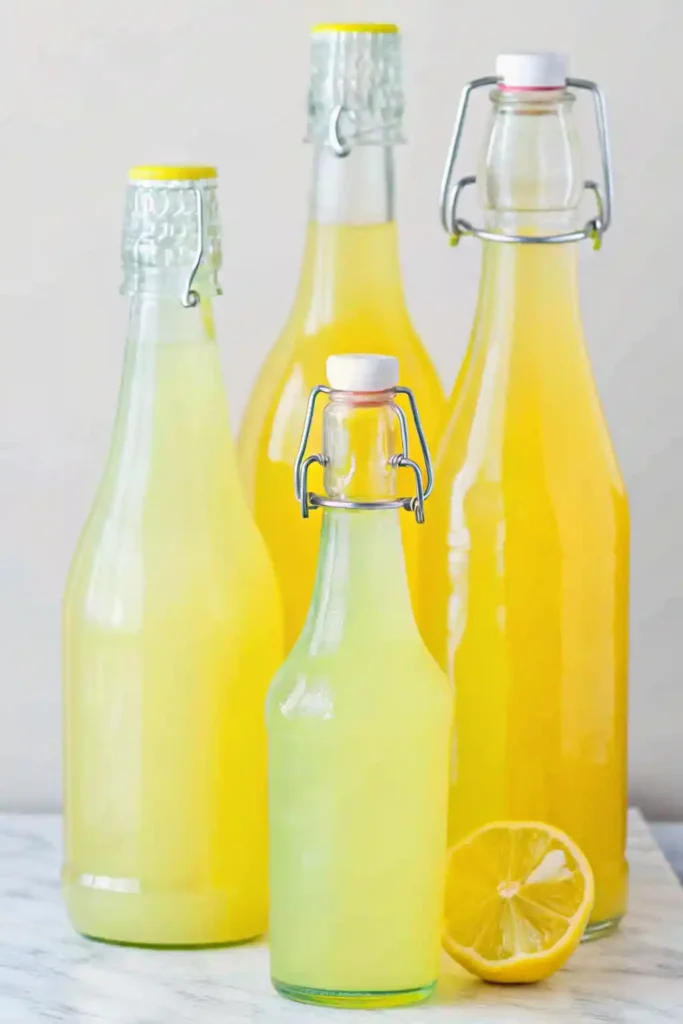
Pour the simple syrup into the jar with the lemon-infused alcohol. You will notice the liquid immediately turn from clear to an opaque, glowing yellow. Stir well. At this stage, you can remove the lemon peels by pouring the mixture through a fine-mesh sieve or a coffee filter into a clean bowl.
Step 6: The Final Rest and Bottle
Transfer the Limoncello into decorative glass bottles. While it is technically ready to drink, the flavor will continue to mellow and integrate if you let the bottles sit in the refrigerator for another one week before serving.
Secrets to a Silky Smooth Finish
- Filter Twice: For a truly professional, “Gourmet” look, filter your Limoncello through a paper coffee filter during the final bottling. This removes any microscopic bits of zest or sediment, resulting in a glass-like clarity.
- The Cold Steep: Some artisans swear by steeping the alcohol in the refrigerator rather than the pantry. This slower extraction can result in a more delicate, less “hot” alcohol bite.
- Sugar Balance: If your lemons are particularly tart, you may want to increase the sugar by 1/2 cup. Always taste the mixture before the final bottling.
- No Plastic: High-proof alcohol can leach chemicals from plastic containers. Always use glass for the steeping and storage phases.
Variations and Substitutions
- Crema di Limoncello: Replace the water in the simple syrup with Whole Milk and a splash of Heavy Cream. Add a vanilla bean to the steeping process for a “Lemon Meringue” dessert liqueur.
- Arancello: Follow the exact same method but substitute the lemon zest with Orange Zest. For the best results, use blood oranges for a vibrant red-orange hue.
- Limecello: Use lime zest for a bright, tropical green liqueur that is fantastic for summer margaritas or spritzes.
- Ginger-Lemon Twist: Add 2 inches of sliced fresh ginger to the alcohol steep along with the lemon zest for a spicy, medicinal kick.
Storage and Serving Suggestions
- The Freezer Rule: Limoncello should always be served from the freezer. Because of the high alcohol and sugar content, it will not freeze solid. Instead, it becomes thick, syrupy, and incredibly refreshing.
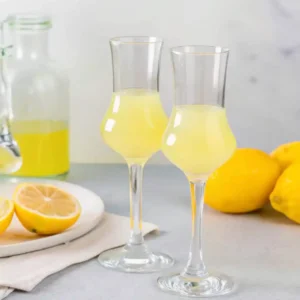
- Serving Vessel: Serve in small, chilled ceramic or glass “cordial” cups. In Italy, the glasses are often kept in the freezer alongside the bottle.
- Shelf Life: Because it is high-proof, Limoncello will stay fresh in the freezer for up to 1 year. At room temperature, it will stay safe for 6 months, though the color may eventually fade.
- Cocktail Inspiration: Add a shot of Limoncello to a glass of Prosecco for a “Limoncello Spritz,” or drizzle it over vanilla bean gelato for a sophisticated dessert.
FAQ
Why is my Limoncello bitter? This is almost always due to the white pith being included with the zest. Be much more careful with your peeling next time, ensuring only the yellow surface is used.
Can I use a blender to speed this up? No. Blending the zest will create a cloudy, gritty mess that is impossible to filter. The slow infusion method is the only way to achieve the correct texture.
Does the alcohol evaporate? No, because the jar is airtight during the steep. The alcohol content remains high, which is why it serves as such an effective preservative.
How do I get the “fluorescent” look? This comes naturally from the oils in the lemon skin! If you use enough lemons (at least 10–12 per bottle), the oil suspension will catch the light and glow.
Authentic Italian Limoncello (The Ultimate Smooth Homemade Recipe)
Ingredients
Method
- Wash the lemons thoroughly. Use a sharp vegetable peeler to remove only the yellow zest, avoiding the bitter white pith. Place the zest in a large glass jar.
- Pour the high-proof alcohol over the lemon zest in the jar. Seal the jar and store it in a cool, dark place for 10–30 days. Shake the jar gently every few days.
- After the steeping period, prepare the simple syrup by dissolving the sugar in water over medium heat. Let the syrup cool completely to room temperature.
- Once the syrup has cooled, combine it with the lemon-infused alcohol in the jar. Stir well and strain the mixture through a fine mesh sieve or coffee filter into clean bottles.
- Allow the limoncello to rest in the refrigerator for another week for the flavors to meld before serving. Serve chilled and enjoy!