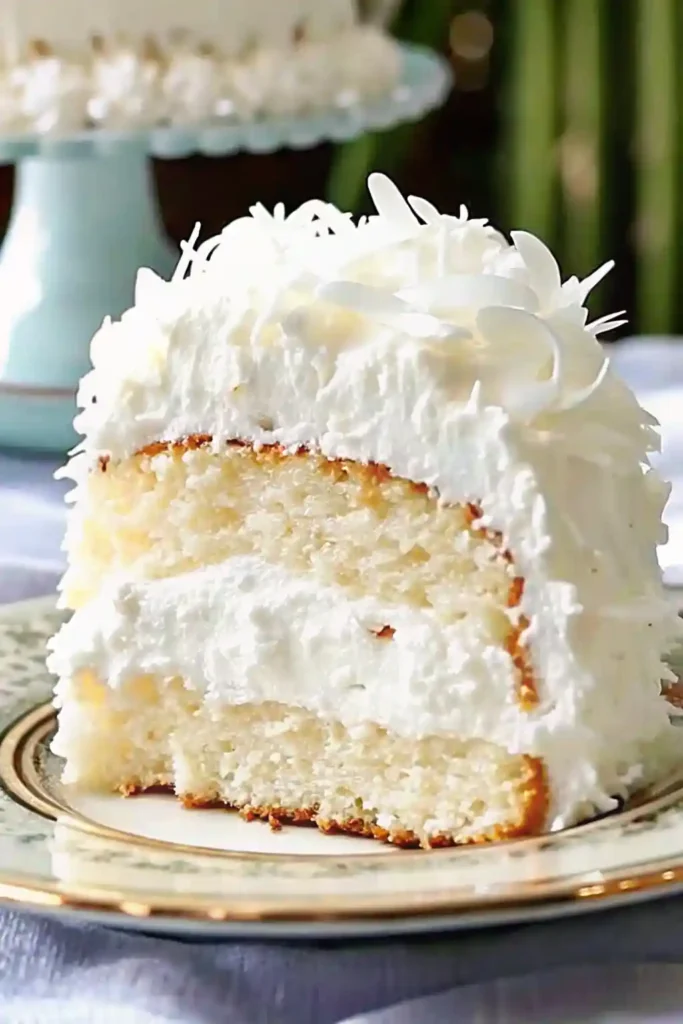
In the realm of artisanal baking, the term “cloud cake” refers to a specific textural achievement: a dessert that is so light, airy, and soft that it seems to defy the typical weight of a standard sponge. This Coconut Cloud Cake is the definitive version of that concept. It marries the convenience of a high-quality cake mix with the sophisticated, rich fats of canned coconut milk and a velvet-smooth, whipped frosting. The result is a succulent, moisture-drenched crumb that feels like a gourmet treat from a high-end coastal bakery.
The beauty of this recipe lies in its structural chemistry. By replacing standard water or milk with full-fat coconut milk, we introduce a higher ratio of medium-chain triglycerides (fats) that interact with the cake’s starches to create a “melt-in-your-mouth” experience. Topped with a mountain of snowy shredded coconut, it is the perfect centerpiece for Easter brunches, summer garden parties, or holiday dessert boards. Whether you are a novice baker looking for a fail-proof win or a seasoned host seeking a light yet indulgent finale, this guide will show you how to master the “whipped stabilization” method and the secrets to achieving the perfect tropical crumb.
Why You’ll Love This Recipe
- Exceptional Texture Hierarchy: You get the airy, pillowy give of the sponge meeting the cloud-like creaminess of the whipped frosting and the subtle “snap” of shredded coconut.
- Effortless Gourmet Results: By utilizing a cake mix base, you ensure a consistent rise and tender crumb, while the “from-scratch” additions provide a premium flavor profile.
- Intense Tropical Aromatics: The use of both coconut milk and coconut extract ensures a deep, multi-dimensional flavor that lingers on the palate.
- Make-Ahead Perfection: This cake actually improves in texture after a few hours in the refrigerator, as the moisture from the frosting settles into the sponge.
- Stunning High-Contrast Aesthetic: The stark white-on-white presentation provides a high-fashion, minimalist look that requires zero advanced decorating skills.
Ingredient Notes & Pro Selections
Because this recipe relies on a minimalist list of ingredients to achieve a “Luxury Dessert” status, the quality and temperature of your staples are paramount.
The Cake Base
- White Cake Mix (15.25 oz): Look for a “Standard” or “Extra Moist” variety. A white cake mix is preferred over yellow to maintain the pristine, snowy-white appearance of the cloud cake.
- Canned Coconut Milk: This is the most important selection. Do not use the coconut milk found in the dairy aisle carton; it is too watery. You need Full-Fat Canned Coconut Milk. Shake the can vigorously before measuring to ensure the thick coconut cream is fully integrated with the coconut water.
- Coconut Extract: While vanilla is a great secondary note, a high-quality coconut extract provides that “bakery-scented” punch that makes this cake irresistible.
The Cloud Frosting
- Full-Fat Block Cream Cheese (8 oz): This acts as the stabilizer for the whipped cream. It must be completely softened to room temperature. Cold cream cheese is the primary cause of a lumpy frosting.
- Heavy Whipping Cream: Look for a brand with at least 36% milk fat. The cream must be ice-cold to achieve the necessary volume and “cloud” height.
- Sweetened Shredded Coconut: This provides the textural contrast. For a more “Gourmet” look, you can use a mix of shredded coconut and larger coconut flakes (unsweetened) to add dimension.
The Texture Binders
- Large Egg Whites: Using only the whites (instead of whole eggs) ensures the cake remains light and keeps the crumb a bright, cloud-like white.
- Neutral Oil: Vegetable or canola oil provides a consistent moisture level that remains liquid at room temperature, ensuring the cake doesn’t feel “bready.”
The Science of Coconut Fats and Moisture
To achieve professional-grade results, one must understand why coconut milk transforms a box mix.
- Fat Solids vs. Water: Standard milk is roughly 87% water. Full-fat canned coconut milk is significantly denser in fats. These fats coat the flour proteins more effectively, preventing the over-development of gluten and resulting in a more tender, succulent bite.
- The “Cloud” Stabilization: Pure whipped cream is volatile and can deflate within hours. By beating it into a base of cream cheese and powdered sugar, you create a protein-fat matrix that “locks” the air bubbles in place. This allows the frosting to stand tall and hold its shape for days in the fridge.
- The Hydration Rest: As the cake sits, the shredded coconut on the exterior absorbs a tiny amount of moisture from the frosting, which softens the coconut slightly and makes it integrate better with the creamy topping.
Step-by-Step Instructions
Step 1: Prep and Preheat
Preheat your oven to 350°F (175°C). Grease and flour two 8-inch or 9-inch round cake pans.
- Pro Tip: Line the bottoms with parchment paper rounds. Because this cake is exceptionally moist, the parchment is your best insurance policy for a clean release.
Step 2: Whisk the Liquid Gold
In a large mixing bowl, combine the canned coconut milk, neutral oil, egg whites, and coconut extract. Whisk vigorously for about 1 minute until the mixture is pale and fully emulsified. There should be no oily streaks visible on the surface.
Step 3: Integrate the Cake Mix
Add the white cake mix to the bowl. Using a hand mixer on medium-low speed (or a sturdy whisk), blend the ingredients together for 2 minutes. Crucial Rule: Stop the second the batter is smooth. Over-beating at this stage will introduce too much air, which can cause the cake to rise rapidly and then collapse in the center.
Step 4: The Bake
Divide the batter evenly between the two prepared pans. Bake for 25–30 minutes.
- The Doneness Test: Insert a toothpick into the center. It should come out clean or with just one or two moist crumbs. Let the cakes cool in the pans for 15 minutes before inverting them onto a wire rack to cool completely. Attempting to frost a warm cake will turn your “cloud” into a liquid puddle.
Step 5: Master the Cloud Frosting
In a medium bowl, beat the softened cream cheese, powdered sugar, and a teaspoon of coconut extract until smooth and creamy. In a separate chilled bowl, whip the heavy cream to stiff peaks. Gently fold the whipped cream into the cream cheese mixture using a rubber spatula. This “gentle fold” preserves the air bubbles, creating the signature cloud texture.
Step 6: Assemble and Decorate
Place the first cake layer on a stand. Spread a thick layer of frosting over the top. Sprinkle with a handful of shredded coconut. Place the second layer on top and frost the top and sides generously. Finish by pressing the remaining shredded coconut into the sides and over the top until the entire cake is covered in a thick, snowy layer.
Secrets to a Pro-Level Coconut Cake
- The “Soak” Option: For an ultra-succulent experience, you can poke small holes in the warm cake layers and drizzle 2 tablespoons of coconut milk over each layer before cooling.
- Toasted vs. Raw: While the raw white coconut is traditional for the “cloud” look, toasting half of the coconut in a dry skillet for 3 minutes adds a nutty, caramelized depth that is very popular in artisanal bakeries.
- Room Temperature Eggs: Even though we only use the whites, ensure they are at room temperature. Cold whites do not incorporate as smoothly into the coconut milk emulsion.
- The Sift Rule: Sift your powdered sugar before adding it to the cream cheese. This ensures the cloud frosting is perfectly smooth without any gritty pockets of sugar.
Variations and Substitutions
- Pineapple Cloud Cake: Add 1/2 cup of well-drained crushed pineapple to the cake batter for a “Piña Colada” flavor profile.
- Low-Carb Version: Use a keto-friendly cake mix and substitute the powdered sugar with a powdered monk fruit sweetener.
- Dairy-Free Cloud: Use a vegan cream cheese and a chilled can of coconut cream (whipped) instead of heavy dairy cream.
- Lemon Coconut Twist: Add 1 tablespoon of fresh lemon zest to the batter to brighten the rich coconut flavors.
Storage and Shelf Life
- Refrigerator: Because of the heavy cream and cream cheese, this cake must be stored in the fridge. It stays fresh and moist for up to 5 days.
- The “Wait” Period: For the best flavor, let the assembled cake sit in the fridge for at least 4 hours before serving. This allows the frosting to set and the coconut flavor to deepen.
- Freezing: You can freeze the unfrosted cake layers for up to 3 months. We do not recommend freezing the fully frosted cake, as the whipped cream texture may change upon thawing.
FAQ
Can I use coconut cream instead of coconut milk? Yes, but the cake will be much denser and richer. If using coconut cream, you may need to add 2 tablespoons of water to the batter to maintain the correct consistency.
Why did my frosting deflate? This usually happens if the heavy cream wasn’t cold enough or if you over-mixed the frosting during the folding stage. Always use a chilled bowl for whipping the cream.
Do I have to use egg whites only? No, you can use 3 whole eggs. However, the yolks will give the cake a yellow tint and a slightly richer, “yolkier” flavor that deviates from the pure “cloud” aesthetic.
What is the best way to get the coconut to stick to the sides? Take a handful of coconut and gently “pat” it against the side of the cake. The moisture in the frosting will act as a natural glue.
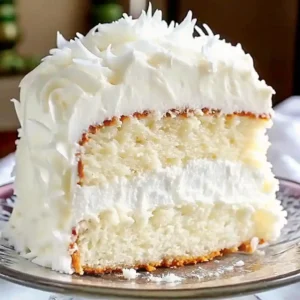
Coconut Cloud Cake
Ingredients
Method
- Preheat oven to 350°F (175°C) and grease/flour two 8- or 9-inch round pans. Line with parchment rounds.
- Whisk coconut milk, egg whites, neutral oil, and coconut extract until pale and emulsified.
- Add cake mix and blend until smooth; do not overbeat.
- Divide batter between pans and bake 25–30 minutes. Test with toothpick. Cool in pans 15 minutes, then transfer to wire racks.
- Beat cream cheese, powdered sugar, and coconut extract until smooth. Whip cold heavy cream to stiff peaks.
- Fold whipped cream into cream cheese mixture gently to preserve air.
- Frost first layer, sprinkle with shredded coconut, add second layer, frost top and sides, then press remaining coconut onto cake.