In the realm of minimalist, European-inspired cooking, the most profound flavors are often achieved through the transformative power of heat on simple fats. This Browned Butter Lemon Dill Pasta is a premier example of that culinary philosophy. While a standard butter-and-lemon sauce is undeniably bright and acidic, the introduction of beurre noisette—butter cooked until its milk solids toast and caramelize—elevates the dish from a simple weeknight staple into a “Luxury Dinner” category. It features a deep, nutty, toffee-like base punctuated by the electric vibration of fresh lemon and the feathery, anise-like sweetness of fresh dill.
The beauty of this recipe lies in its sophisticated simplicity and its reliance on pantry staples. It is a “one-pan adjacent” meal that utilizes the science of emulsification to turn four basic ingredients into a silk-like coating for every single strand of pasta. Unlike cream-heavy Alfredo sauces that can feel weighted and rich, this browned butter emulsion is incredibly light, fragrant, and deeply aromatic, making it perfect for the transition from spring to summer dining. Whether you are seeking a high-impact, low-effort meal for a busy Tuesday or a refined centerpiece for a weekend garden party, this guide will show you how to master the “Maillard sear” of butter and the secrets to achieving the perfect herb-citrus balance.

Why You’ll Love This Recipe
- Complex Flavor Hierarchy: You get the savory, roasted depth of toasted milk solids, the bright, acidic lift of citrus, and the floral, herbal finish of fresh dill all in one cohesive bite.
- Effortless 20-Minute Preparation: This is a true “fast-food” gourmet meal. The browned butter sauce is prepared in the exact amount of time it takes to boil the pasta water and cook the noodles.
- Superior Texture: By utilizing the starchy pasta water, the browned butter transforms from a greasy, liquid oil into a velvet-smooth glaze that clings to the pasta rather than pooling at the bottom of the bowl.
- Stunning Visual Contrast: The golden-brown specks of toasted butter against the vibrant, emerald green of fresh dill and the sunny yellow of lemon zest create a high-fashion, restaurant-quality aesthetic.
- Budget-Friendly Elegance: It transforms humble, inexpensive ingredients—butter, dried pasta, and a handful of herbs—into a premium dining experience for a fraction of the cost of a restaurant meal.
Ingredient Notes & Pro Selections
Because this dish relies on a minimalist ingredient list, the quality of your fats and aromatics will entirely dictate the final gourmet outcome. There is nothing for sub-par ingredients to hide behind.
The Butter (The Soul of the Dish)
- Unsalted European-Style Butter: For the best beurre noisette, use a high-fat butter (like Kerrygold, Plugra, or President). These premium brands have a higher ratio of milk solids to water, which means you get more of those delicious toasted brown bits that provide the signature nutty flavor.
- Salt Control: Using unsalted butter allows you to control the seasoning precisely. This is critical, as the pasta water and the parmesan cheese both contribute significant amounts of sodium to the final emulsion.
The Fresh Dill
- Fresh vs. Dried: In this specific application, fresh dill is non-negotiable. Dried dill loses its volatile essential oils during the dehydration process and takes on a “dusty,” muted flavor that clashes with the richness of the browned butter.
- The Stem Trick: Use the delicate, feathery fronds for the final garnish, but finely mince the tender upper stems to cook directly into the butter. The stems contain massive amounts of flavor and provide a deeper herbal infusion.
The Citrus Powerhouse
- Fresh Lemons (2 Large): You will need both the zest and the juice. Organic lemons are highly preferred, as the zest (the outer skin, or flavedo) is where the aromatic essential oils reside. Avoid bottled lemon juice at all costs; the metallic preservatives will muddy the delicate profile of the toasted butter.
The Pasta
- Long Grains (Linguine or Spaghetti): Long, flat, or cylindrical noodles provide the best surface area for the thin, silky butter glaze to coat.
- Bronze-Cut Pasta: Look for dried pasta labeled “Bronze-Cut” or “Al Bronzo.” This traditional extrusion method leaves the pasta with a rougher, chalky surface texture that acts like “velcro” for the browned butter sauce.
The Science of Beurre Noisette (Browned Butter)
To achieve professional-grade results, one must understand the chemical transition that happens in the skillet. Browning butter is a delicate dance of temperature control.
- Evaporation (The Sputter): As the butter melts and begins to bubble, the water content (about 15-18% of the butter) is evaporating. The temperature of the butter will not rise above 212°F (100°C) until this water is gone.
- The Maillard Reaction (The Toasting): Once the water has evaporated, the sputtering will quiet down, and the temperature will rapidly rise. As it approaches 250°F to 300°F, the Maillard reaction triggers. The milk proteins and sugars in the butter begin to toast, brown, and develop hundreds of new, complex flavor compounds.
- The Fragrance Window: The butter will move from a “lemon yellow” to a “golden tan” and finally to a “deep hazelnut” color (hence noisette). This is when the aroma is at its peak. You must act quickly to add liquid (the lemon juice and pasta water) to rapidly drop the temperature and stop the cooking process before the solids turn black, acrid, and bitter.
Step-by-Step Instructions
Step 1: Boil the Foundation
Bring a large pot of heavily salted water to a rolling boil. The Pro Tip: Your pasta water should taste like the sea. This is your only chance to season the pasta itself. Cook your 12 oz of linguine or spaghetti until it is exactly 1 minute less than the package’s al dente instructions.
Step 2: The Liquid Gold Reserve
Before draining the pasta, use a heat-proof measuring cup to scoop out 1.5 cups of the starchy cooking water. This starch-heavy liquid is the secret emulsifier that binds the separated butter fat to the pasta. Do not forget this step!
Step 3: Master the Browned Butter
In a large, light-colored skillet (a silver or white interior helps you monitor the color of the butter) over medium heat, add the 1/2 cup (1 stick) of butter. Let it melt, foam, and eventually begin to crackle. Stir frequently with a light-colored spatula. Once the crackling slows down and you see tiny brown specks accumulating at the bottom and smell a “toasty” aroma, immediately add 3 cloves of finely minced garlic. Sauté for only 30 seconds until the garlic is fragrant but not browned.
Step 4: Stop the Cook and Infuse
Slowly pour in 1/4 cup of the reserved pasta water and the fresh lemon juice. Be careful—it will bubble and steam vigorously! This liquid “shocks” the butter, dropping the temperature and stopping the browning process instantly. Stir in the lemon zest and the minced dill stems.
Step 5: The Grand Emulsion
Add the cooked pasta directly into the skillet with the butter sauce. Add another 1/2 cup of reserved pasta water and 1/2 cup of finely grated parmesan cheese. Using tongs, toss the mixture vigorously and continuously over medium-low heat for 1–2 minutes. The mechanical action of tossing forces the melted cheese and the starchy water to emulsify with the browned butter fat, forming a glossy, cream-like sauce that coats the noodles perfectly.
Step 6: The Finishing Garnish
Turn off the heat. Fold in 1/4 cup of fresh dill fronds and an extra sprinkle of parmesan. Taste the pasta and adjust the seasoning with a pinch of salt (if needed) and plenty of freshly cracked black pepper.
Secrets to a Pro-Level Finish
- Warm Your Serving Bowls: Browned butter sauces solidify quickly as they cool. Serving the pasta in warmed ceramic bowls ensures the sauce remains silky and liquid throughout the entire meal.
- The “Pasta Water” Buffer: Always save more water than you think you need. If the pasta looks “thirsty” or dry once it hits the plate, a tiny splash of hot pasta water will instantly revive the glossy sheen.
- Whisk, Don’t Stir: If your sauce looks separated and oily in the pan, it means the emulsion has broken. Add a tablespoon of hot pasta water and whisk or toss vigorously to bring the fat and liquid back together.
- Herb Preservation: Heat is the enemy of fresh dill’s bright green color. Always add the delicate feathery fronds after the heat is turned off to keep them vibrant and highly aromatic.
Variations and Substitutions
- Lemon Dill with Salmon: Sauté 1 lb of cubed, fresh salmon in the butter before it begins to brown. Remove the salmon, finish the sauce as directed, and fold the fish back in at the very end.
- The “Crunch” Twist: Top the finished plated pasta with a handful of toasted Panko breadcrumbs mixed with a pinch of lemon zest for a sophisticated textural contrast.
- Vegetarian Booster: Add 2 cups of fresh baby spinach or a handful of frozen petite peas during the last 2 minutes of the pasta boiling time for added fiber and color.
- White Wine Deglaze: Replace half of the first addition of pasta water (in Step 4) with a dry, crisp Sauvignon Blanc for a more acidic, complex, and sophisticated bite.
Storage and Reheating Guide
- Refrigerator: Store leftover pasta in an airtight container for up to 3 days.
- The Reheat Challenge: Butter-based emulsions will firm up significantly in the cold environment of the fridge. To reheat properly, place the pasta in a skillet with a splash of water or milk over low heat. Toss constantly until the butter melts and the sauce re-emulsifies. Do not microwave on high power, as it will cause the butter to separate completely, leaving you with greasy noodles.
- Do Not Freeze: Cooked pasta in a delicate butter emulsion does not survive the freezing process well; the noodles will become mushy and the sauce will break irreparably upon thawing.
FAQ
Why is my sauce oily and not creamy? This happens if the emulsion broke. It usually means there wasn’t enough starchy pasta water added, or the heat was too high during the tossing phase. Add a splash of hot water and toss vigorously to fix it.
Can I use margarine or vegan butter? No. Margarine and most vegan butters lack the milk solids needed to trigger the Maillard reaction. You will get a yellow, oily sauce, but you will achieve none of the nutty, toasted flavor of true beurre noisette.
Is this dish very sour? No. The richness and fat of the toasted butter, combined with the salty umami of the parmesan cheese, balance the lemon perfectly. It tastes savory and nutty with a bright, refreshing citrus finish.
What is the best pasta shape? Linguine, Spaghetti, and Fettuccine are the gold standards for butter sauces. For short pasta, Gemelli, Campanelle, or Fusilli are excellent choices as their spirals and twists trap the browned butter bits perfectly.
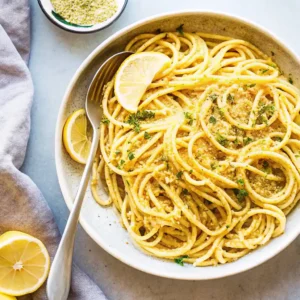
Browned Butter Lemon Dill Pasta
Ingredients
Method
- Bring a large pot of heavily salted water to a boil. Cook the 12 oz of pasta until 1 minute less than al dente according to package instructions. Reserve 1.5 cups of the starchy pasta water before draining the pasta.
- In a large skillet, heat 1 tbsp of olive oil over medium heat. Add the minced garlic and sauté for 1-2 minutes until fragrant, making sure not to burn the garlic.
- In a separate bowl, whisk together 1/2 cup of unsalted European-style butter, 1 tbsp lemon zest, and 3 tbsp lemon juice. Add a pinch of salt and freshly cracked black pepper. Set aside.
- Once the pasta is cooked, add it directly to the skillet with the garlic. Pour in the prepared lemon butter mixture and 1/2 cup of reserved pasta water. Stir to combine until the sauce emulsifies and coats the pasta evenly.
- Add 1/2 cup of grated Parmigiano-Reggiano and stir to combine. Taste and adjust the seasoning with more salt and pepper if needed.
- Finish by folding in 1 tbsp of fresh dill. Serve immediately with extra lemon zest and Parmesan, if desired.