In the landscape of classic Italian “primi” dishes, there is a philosophy known as la cucina povera—the art of creating extraordinary flavors from simple, humble ingredients. The Lemon Ricotta Pasta is a premier example of this tradition. While many creamy pasta dishes rely on heavy whipping cream or butter-heavy rouxs, this recipe utilizes the natural, milky richness of whole-milk ricotta and the bright, electric acidity of fresh lemons to create a sauce that is light, refreshing, and deeply sophisticated.
The beauty of this recipe lies in its efficiency and its unique textural event. It is a “one-pan adjacent” meal that comes together in the time it takes to boil a pot of water. The secret to its professional-grade finish is the “starch-water emulsion,” a technique that uses the liquid gold of pasta cooking water to bind the cheese into a silk-like coating for every strand of pasta. Whether you are hosting an elegant garden brunch, a romantic dinner for two, or simply need a high-protein vegetarian meal on a busy Tuesday, this guide will show you how to master the “ricotta temper” and the secrets to achieving the perfect citrus-to-fat balance.

Why You’ll Love This Recipe
- Effortless 15-Minute Preparation: This is a true “fast-food” gourmet meal. From the moment you salt the water to the final garnish, you are looking at less than 20 minutes of total time.
- The Ultimate “Fresh” Creaminess: Unlike Alfredo or carbonara, which can feel heavy, the lemon ricotta sauce is vibrant and uplifting, making it the perfect choice for spring and summer dining.
- Naturally High in Protein: Ricotta is one of the most protein-dense soft cheeses, making this a satisfying and nutritious meatless main course.
- Stunning Visual Simplicity: The pale gold sauce against the bright green of fresh herbs and yellow lemon zest creates a high-fashion aesthetic for any dinner table.
- Pantry-Staple Success: Most of the ingredients—pasta, garlic, parmesan, and lemons—are likely already in your kitchen, making it a reliable “emergency” gourmet win.
Ingredient Notes & Pro Selections
Because this dish relies on a minimalist ingredient list, the quality of your staples will dictate the final gourmet outcome.
The Ricotta
- Whole Milk vs. Part-Skim: For a “Gourmet” result, use Whole Milk Ricotta. It has a higher fat content and a smoother grain, which is essential for achieving a velvet-smooth sauce. Part-skim ricotta can often be watery or overly grainy when heated.
- Temperature: Ensure your ricotta is at room temperature before adding it to the pasta. Cold cheese can “shock” the sauce, causing it to clump rather than emulsify.
The Citrus Powerhouse
- Fresh Lemons (2 Large): You will need the zest and the juice. Use organic lemons if possible, as the zest (the outer skin) is where the essential oils reside. Avoid bottled lemon juice at all costs; the metallic preservatives will ruin the delicate dairy profile.
- The Zest Rule: Always zest your lemons before juicing them. It is nearly impossible to zest a squeezed lemon!
The Pasta
- Long Noodles (Spaghetti or Linguine): Long, flat surfaces are the best vehicles for a ricotta-based sauce. The “drag” of the noodles helps pull the sauce into a cohesive coating.
- Bronze-Cut Pasta: Look for pasta labeled “Bronze-Cut” or “Artisan.” This pasta has a rougher surface texture that acts like “velcro” for the sauce.
The Finishing Savory Duo
- Parmigiano-Reggiano: Grate your own cheese from a block. Pre-shredded parmesan is coated in cellulose (an anti-caking agent) which prevents it from melting smoothly into the sauce.
- Fresh Herbs: Flat-leaf Italian parsley or fresh basil provides the necessary “green” finish that cuts through the richness of the cheese.
The Science of the Starch-Water Emulsion
To understand why this recipe works better than standard versions, we must look at the chemistry of Pasta Cooking Water.
- The Starch Factor: As pasta cooks, it releases starch molecules into the boiling water. This water becomes a natural thickener.
- The Emulsifier: Ricotta is essentially a suspension of proteins and fats. If you add it to dry pasta, it stays clumpy. By adding starchy pasta water, the starch acts as a “bridge,” binding the fats in the cheese with the moisture in the water.
- The Texture: This emulsion creates a creamy “sheen” rather than a thick, gloopy sauce, ensuring the pasta remains light and elegant.
Step-by-Step Instructions
Step 1: Boil the Foundation
Bring a large pot of heavily salted water to a boil. The Pro Tip: Your pasta water should taste like the sea. This is your only chance to season the noodles themselves. Cook your 12 oz of pasta until it is 1 minute less than al dente.
Step 2: The Liquid Gold Reserve (Crucial Step)
Before draining the pasta, use a heat-proof measuring cup to scoop out 1.5 cups of the starchy cooking water. Do not forget this step! Once the water is gone, it cannot be replicated.
Step 3: Sauté the Aromatics
In a large skillet over medium-low heat, add 2 tablespoons of extra-virgin olive oil and 3 cloves of minced garlic. Sauté for only 1–2 minutes until fragrant and golden. Crucial Rule: Do not burn the garlic! Bitter garlic will overpower the delicate lemon notes.
Step 4: Whisk the Ricotta Base
In a medium bowl, whisk together 1 cup of ricotta, 1/2 cup of grated parmesan, the zest of 2 lemons, and 3 tablespoons of fresh lemon juice. Season with salt and plenty of freshly cracked black pepper.
Step 5: The Grand Emulsion
Add the cooked pasta directly into the skillet with the garlic and oil. Pour the ricotta mixture over the pasta and add 1/2 cup of the reserved pasta water. Using tongs or a pasta fork, toss the mixture vigorously over low heat. As you toss, the cheese will melt and combine with the water to form a glossy, creamy sauce.
Step 6: Consistency Adjustment
If the pasta looks “thirsty” or dry, add more pasta water, 1/4 cup at a time, until the sauce reaches your desired silkiness.
Step 7: Garnish and Serve
Turn off the heat. Fold in a handful of fresh chopped parsley and a final sprinkle of parmesan. Serve immediately in warmed bowls with a few extra lemon wedges on the side.
Secrets to a Pro-Level Finish
- Don’t Over-Boil the Sauce: Once the ricotta is in the pan, keep the heat low. High heat can cause the proteins in the ricotta to tighten, resulting in a grainy texture. We are “tempering” the cheese, not cooking it.
- The “Pasta Water” Insurance: Always save more water than you think you need. Pasta continues to absorb moisture even after it hits the bowl; if it gets sticky on the table, a splash of hot water will bring it back to life.
- Balance the Salt: Parmesan and pasta water are both salty. Taste your sauce before adding any additional salt to the pan.
- The Zest Finish: For a “Gourmet” look, add a final dusting of fresh lemon zest after the pasta is plated. The heat of the steam will release the oils, providing a fresh aromatic hit for the diner.
Variations and Substitutions
- Lemon Ricotta with Shrimp: Sauté 1 lb of jumbo shrimp with the garlic in Step 3 until pink. Remove the shrimp, finish the pasta, and fold them back in at the end.
- The “Garden” Twist: Add a cup of frozen peas or a handful of fresh baby spinach during the last 2 minutes of the pasta boiling time.
- Pistachio Crunch: Top the finished pasta with 1/4 cup of crushed toasted pistachios for a sophisticated Mediterranean textural contrast.
- Gluten-Free: Use high-quality chickpea or brown rice pasta. These pastas release even more starch, making for an exceptionally creamy sauce.
Storage and Reheating Guide
- Refrigerator: Store in an airtight container for up to 3 days.
- The Reheat Challenge: Dairy-based sauces often “seize” in the fridge. To reheat, place the pasta in a skillet with a splash of milk or water over low heat. Stir constantly until it becomes creamy again. Do not microwave on high power, as it will cause the cheese to separate and become oily.
- Do Not Freeze: The cellular structure of ricotta changes when frozen, leading to a grainy, unappealing texture upon thawing.
FAQ
Why is my sauce grainy? This usually happens if you used low-fat ricotta or if the pan was too hot. To fix a grainy sauce, add a splash of warm water and whisk vigorously over very low heat.
Can I use cottage cheese instead? While you can, the flavor and texture will be significantly different. Cottage cheese has a much higher moisture content and larger curds, resulting in a “soupy” rather than creamy pasta.
Is this dish very sour? No. The richness of the whole-milk ricotta and the salty parmesan balances the lemon perfectly. It tastes bright and citrusy, but not acidic.
What is the best pasta shape? Fettuccine, Spaghetti, and Linguine are the gold standards. If you prefer short pasta, Fusilli or Gemelli are excellent because the spirals catch the ricotta “pearls.”
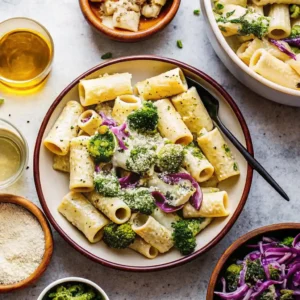
Creamy Lemon Ricotta Pasta
Ingredients
Method
- Bring a large pot of heavily salted water to a boil. Cook your pasta until it is 1 minute less than al dente. Reserve 1.5 cups of pasta water before draining and set it aside to cool slightly.
- In a large skillet, heat 2 tablespoons of olive oil over medium-low heat. Add minced garlic and sauté for 1-2 minutes until fragrant. Be sure not to burn the garlic, as this will impart a bitter flavor.
- In a medium bowl, whisk together 1 cup of ricotta, 1/2 cup of grated parmesan, the zest of 2 lemons, and 3 tablespoons of fresh lemon juice. Season with salt and pepper. This mixture should be smooth and well-combined.
- Add the cooked pasta directly into the skillet with the sautéed garlic and olive oil. Pour the ricotta mixture over the pasta, followed by 1/2 cup of reserved pasta water. Use tongs to toss the pasta and sauce together until creamy and well-coated.
- If the pasta looks too thick, add more pasta water, 1/4 cup at a time, until you reach your desired consistency.
- Turn off the heat. Garnish with fresh chopped parsley or basil, and serve immediately. Optionally, you can add more grated parmesan on top for an extra savory finish.