In the world of home baking, banana bread is often seen as a casual, rustic solution for overripe fruit. However, when you introduce the chemistry of high-fat dairy, the humble loaf is elevated into a “Luxury Dessert” territory. This Sour Cream Banana Bread is widely considered the gold standard for those who prioritize a dense, succulent crumb and a deep, complex sweetness. By utilizing sour cream as a primary moisture agent, we achieve a texture that is heavy yet soft, resisting the dryness that plagues so many standard recipes.
The beauty of this recipe lies in its structural integrity. Unlike “cakey” banana breads that crumble easily, this version holds its shape perfectly, making it ideal for thick, buttery slices. It utilizes a traditional creaming method rather than the simple “dump and stir” approach, which allows for better aeration and a more refined mouthfeel. Whether you are seeking the ultimate breakfast indulgence or a sophisticated afternoon tea accompaniment, this guide will walk you through the science of the “acid-base” reaction and the professional secrets to a perfectly domed, golden-brown loaf.

Why You’ll Love This Recipe
- Unrivaled Moisture Retention: The high fat and acidity in the sour cream act as a natural humectant, keeping the bread fresh and moist for up to a full week.
- Refined Bakery Texture: The creaming of the butter and sugar creates a tight, velvet-like crumb that feels significantly more “gourmet” than oil-based quick breads.
- Balanced Flavor Profile: The tanginess of the sour cream perfectly offsets the intense sugary floral notes of overripe bananas, preventing the loaf from feeling cloying.
- The Perfect Slice: This bread is structurally sound enough to be toasted and slathered with salted butter without falling apart or becoming soggy.
- Consistent Results: This is a “Zero-Fail” formula that has been tested in thousands of kitchens, known for its reliable rise and even bake.
Ingredient Notes & Pro Selections
The difference between a good loaf and a world-class loaf often comes down to the quality of the dairy and the state of the fruit.
The Sour Cream
- Full-Fat is Essential: For the intended texture, do not use “light” or fat-free sour cream. The fat content is what provides the succulent mouthfeel.
- The Greek Yogurt Swap: If you must substitute, use a Full-Fat Plain Greek Yogurt. It provides a similar acidity but results in a slightly tangier flavor and a marginally lighter crumb.
The Bananas
- The 1.5 Cup Rule: Do not just count bananas; measure the mash. For this recipe, you need exactly 1.5 cups of mashed banana (usually 3 to 4 large bananas).
- Over-Ripening: Your bananas should be at the “stage of no return”—completely covered in brown or black spots. This is when the starches have fully converted to sugar, providing the necessary liquid-like consistency for a moist bread.
The Fats & Sugars
- Unsalted European Butter: Using softened butter allows for a creaming process that incorporates air, leading to a loftier rise. High-fat European brands (like Kerrygold) provide a deeper, toasted flavor profile.
- The Sugar Blend: We utilize a mixture of Granulated Sugar and Light Brown Sugar. The white sugar helps the edges caramelize, while the brown sugar adds a hint of molasses and moisture to the interior.
The Science of Sour Cream in Baking
To master this recipe, one must understand why sour cream is the “secret weapon” of professional bakers. It serves three distinct chemical purposes:
- The Acid Catalyst: Sour cream is highly acidic. When it meets the baking soda in the batter, it triggers a powerful chemical reaction that produces carbon dioxide. This provides the lift needed to keep a heavy, banana-dense loaf from becoming a “lead brick.”
- Fat for Tenderness: Sour cream adds fat without making the batter too liquid. This fat coats the flour’s proteins (gluten), preventing them from becoming tough. This is why the bread feels so soft on the tongue.
- Moisture Sequestration: The proteins in sour cream help hold onto moisture even at high temperatures, which is why this loaf doesn’t dry out in the oven as easily as milk-based recipes.
Step-by-Step Instructions
Step 1: Prep and Preheat
Preheat your oven to 350°F (175°C). Grease a standard 9×5-inch loaf pan generously with butter.
- The Professional Finish: Dust the greased pan with a light coating of flour or granulated sugar. This creates a beautiful, slightly “crusty” exterior that adds a satisfying textural contrast.
Step 2: Cream the Butter and Sugars
In a large mixing bowl or stand mixer, beat the softened butter, granulated sugar, and light brown sugar together. Continue for 3 to 5 minutes on medium speed until the mixture is pale, light, and looks like whipped frosting. This is the foundation of your loaf’s structure.
Step 3: Add Eggs and Vanilla
Add the large eggs one at a time, beating well after each addition to ensure they are fully emulsified. Stir in the pure vanilla extract. The mixture should look glossy and smooth.
Step 4: The Banana and Sour Cream Fold
Stir in your 1.5 cups of mashed bananas and the 1/2 cup of sour cream. At this stage, the mixture may look slightly “curdled”—do not worry, this is normal and will smooth out once the dry ingredients are added.
Step 5: Incorporate the Dry Ingredients
In a separate bowl, whisk together the all-purpose flour, baking soda, and salt. Gradually add the dry ingredients to the wet batter. Using a rubber spatula, fold the ingredients together.
- The Golden Rule: Mix only until the white streaks of flour disappear. Over-mixing will activate the gluten and result in a tough, rubbery bread.
Step 6: Bake and Perfect
Pour the batter into the prepared pan and smooth the top. Bake for 60 to 70 minutes.
- The Doneness Test: Insert a long wooden skewer into the center. It should come out clean or with just a few moist crumbs. If the top is browning too fast, loosely tent the pan with aluminum foil for the final 15 minutes. Let the bread cool in the pan for 10 minutes before transferring it to a wire rack to cool completely.
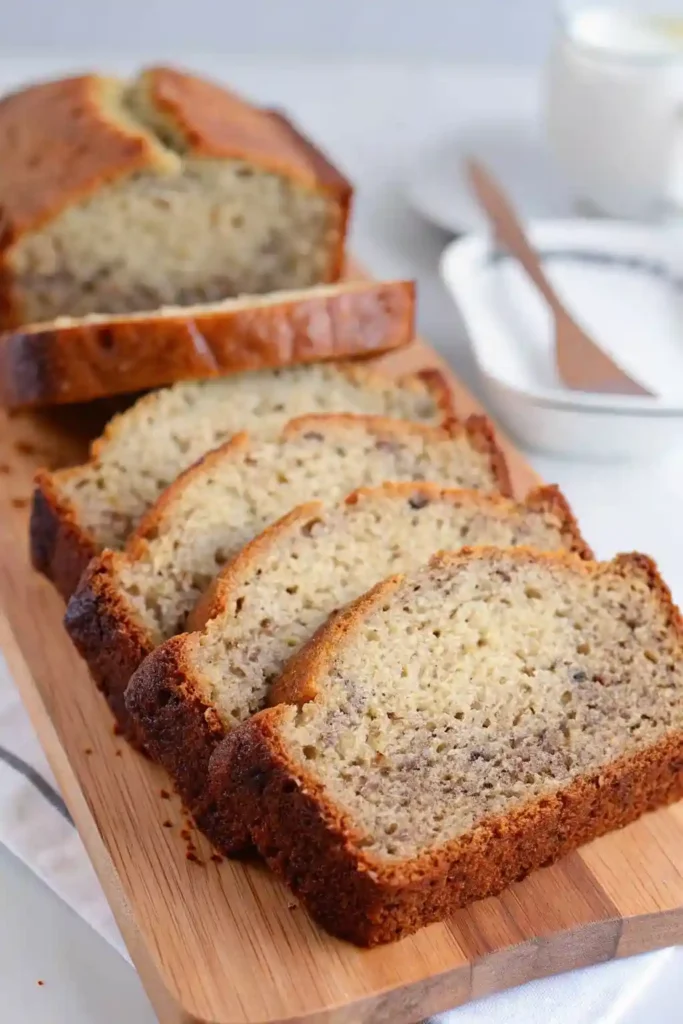
Secrets to the Ultimate Succulent Loaf
- Temperature is Key: Ensure your eggs and sour cream are at room temperature. Cold ingredients will cause the creamed butter to seize, resulting in a chunky, uneven batter.
- Don’t Under-Mash: While some recipes prefer “chunky” bananas, this sour cream version works best when the bananas are mashed to a smooth, liquid consistency. This ensures the moisture is distributed evenly through every square inch of the crumb.
- The “Wrap and Wait” Technique: For the best possible experience, let the loaf cool completely, then wrap it tightly in plastic wrap and let it sit at room temperature overnight. This allows the moisture to redistribute, making the bread even more succulent the following day.
- Spoon and Level: Never scoop flour directly with your measuring cup. This packs the flour down, adding too much starch to the recipe. Spoon the flour into the cup and level it with a flat edge.
Variations and Substitutions
- Chocolate Chip Indulgence: Fold in 1 cup of semi-sweet chocolate chips for a “Luxury Dessert” profile.
- Nutty Crunch: Add 3/4 cup of toasted chopped walnuts or pecans for a classic textural contrast.
- The “Healthy-ish” Swap: Replace the sour cream with full-fat Greek yogurt and use coconut sugar instead of white sugar.
- Cinnamon Streusel Top: Mix 1/4 cup flour, 1/4 cup brown sugar, and 2 tablespoons of cold butter. Sprinkle over the batter before baking for a crunchy, coffee-cake finish.
Storage and Freezing Guide
- Room Temperature: Store the cooled loaf in an airtight container for up to 4 days.
- Refrigerator: This bread actually improves in flavor after 24 hours in the fridge. It will stay fresh in the refrigerator for up to 1 week.
- Freezing: This is a freezer-friendly champion. Wrap the whole loaf (or individual slices) tightly in plastic wrap and then a layer of foil. It will stay fresh for up to 3 months.
FAQ
Why is my banana bread dry? This is almost always due to over-baking or using too much flour. Ensure you measure your flour using the “spoon and level” method and start checking for doneness at the 55-minute mark.
Can I use frozen bananas? Yes! Thaw them completely in a bowl. They will release a lot of liquid—do not discard this liquid. It is concentrated banana essence! Mash it all together and include it in the recipe.
My bread is dark on the outside but raw in the middle. What happened? This usually happens if your oven is running too hot. Use an oven thermometer to verify the temperature. If this happens, lower the heat to 325°F and tent the top with foil until the center is cooked through.

Sour Cream Banana Bread (The Ultimate Moist Bakery-Style Loaf)
Ingredients
Equipment
Method
- Preheat your oven to 350°F (175°C). Grease a 9×5-inch loaf pan generously with butter and line with parchment paper to make lifting the loaf out easy once baked.
- In a large mixing bowl, cream together the softened butter, granulated sugar, and light brown sugar for about 3 to 5 minutes until light and fluffy.
- Add the eggs one at a time, beating well after each addition. Stir in the vanilla extract and sour cream, mixing until the mixture is smooth and glossy. Stir in the mashed bananas.
- Sift the flour, baking soda, and salt into a separate bowl. Gradually add the dry ingredients to the wet mixture, folding gently until just combined.
- Pour the batter into the prepared pan, smoothing the top with a spatula. Bake for 60 to 70 minutes, checking for doneness with a wooden skewer. If the top is browning too quickly, cover loosely with aluminum foil for the last 10 minutes.
- Let the bread cool in the pan for 10 minutes before transferring it to a wire rack to cool completely.