In the world of sourdough baking, the “discard” is often viewed as a byproduct to be managed. However, seasoned bakers know that this fermented mixture is a culinary goldmine, especially when it comes to the “Luxury Quick Bread” category. This Sourdough Discard Lemon Blueberry Quick Bread is a masterclass in flavor complexity—a dense, succulent, and intensely bright loaf that utilizes the natural acidity of sourdough to create a texture and depth of flavor that standard quick breads simply cannot replicate.
The beauty of this recipe lies in the chemical interaction between the fermented discard, the citrus acids of the lemon, and the moisture of the blueberries. The lactic acid in the sourdough tenderizes the crumb, resulting in a “melt-in-your-mouth” texture, while the citrus provides a sophisticated foil to the richness of the batter. Whether you are a dedicated bread maker looking to reduce waste or a fruit-dessert enthusiast seeking a professional-grade loaf, this guide will show you how to master the “berry-suspension” technique and the science of the perfect lemon glaze.
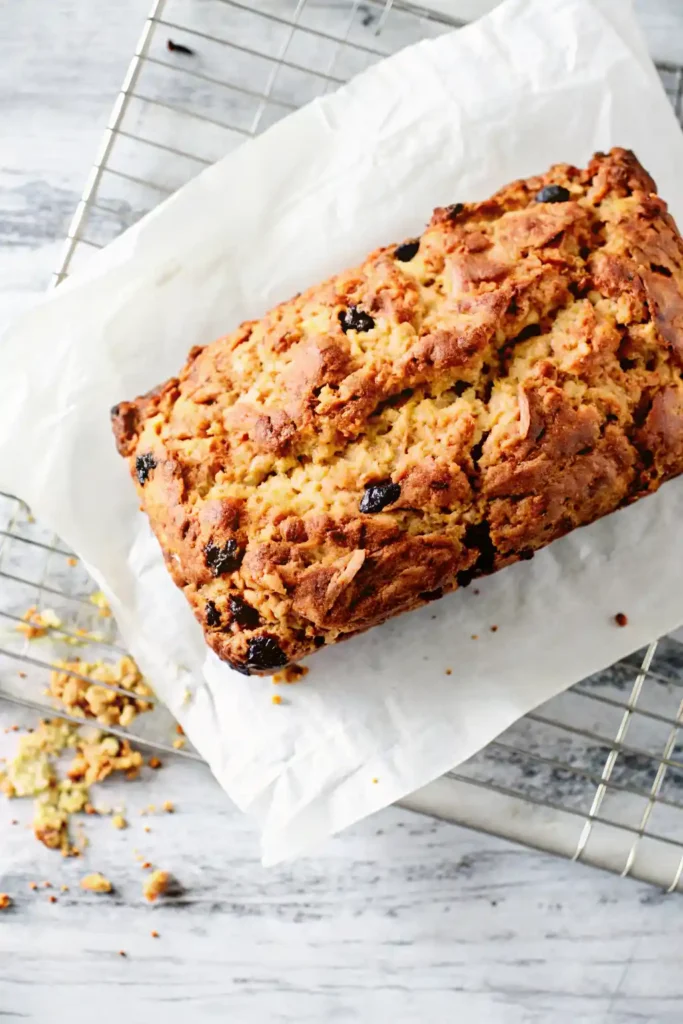
Why You’ll Love This Recipe
- Exceptional Moisture Retention: The hydration provided by the sourdough starter ensures this bread stays soft and succulent for up to a week, resisting the dryness common in many loaf recipes.
- Sophisticated Flavor Profile: The fermentation adds a “malt-like” depth that makes the lemon taste sharper and the blueberries taste sweeter.
- Zero-Waste Baking: It is the most delicious way to use up your sourdough discard without the time commitment of a traditional 24-hour fermented loaf.
- The Perfect “High-Dome” Rise: By utilizing a specific ratio of baking powder and soda against the acidic discard, we achieve a beautiful bakery-style dome.
- Versatile Serving Options: This bread is equally at home on a sophisticated brunch spread as it is served as a toasted afternoon snack with a thick smear of salted butter.
Ingredient Notes & Pro Selections
Because this recipe relies on clean, vibrant flavors, selecting high-quality produce and fats is the secret to a “Gourmet” result.
The Sourdough Discard
- Discard vs. Active: For this recipe, you want to use Sourdough Discard (unfed starter). It should be at room temperature to ensure it emulsifies properly with the liquid ingredients.
- Acidity Level: Discard that has been in the fridge for 3–5 days offers the best balance of tang. If your discard is very old (over a week), the flavor may become too aggressive for a sweet bread.
The Fruit & Zest
- Fresh vs. Frozen Blueberries: Both work beautifully. If using frozen, do not thaw them first; adding them frozen prevents them from “bleeding” and turning your entire loaf purple.
- Lemon Zest: We recommend zesting at least two large lemons. Most of the flavor comes from the essential oils in the skin, not just the juice. Always zest the lemon before you juice it.
The Fats & Sugars
- Unsalted European Butter: Higher fat content means less water, which leads to a richer, more cake-like crumb.
- Granulated Sugar: Standard white sugar is used here to allow the yellow of the lemon and the blue of the berries to stand out visually.
The Texture Binders
- Large Eggs: These must be at room temperature. Cold eggs can cause the melted butter to seize, resulting in a lumpy batter.
- All-Purpose Flour: Use the “spoon and level” method. If you pack the flour, the bread will be dry and heavy.
The Science of Sourdough in Quick Breads
To achieve professional-grade results, one must understand the role of the discard. Sourdough discard is essentially equal parts flour and water that has been partially broken down by wild yeast and bacteria.
- Gluten Inhibition: The acidity in the discard (lactic and acetic acids) weakens the gluten bonds in the added flour. This is why this bread is so tender—it lacks the “bread-like” or rubbery structure found in many home recipes.
- Moisture Lock: The fermented starches in the discard act as a natural humectant, pulling moisture from the air into the loaf even after it is baked.
- Leavening Synergy: Quick breads usually rely solely on chemical leaveners. In this recipe, the sourdough discard provides a secondary boost of airiness as it reacts with the baking soda, creating a lighter sponge than milk-based versions.
Step-by-Step Instructions
Step 1: Prep and Preheat
Preheat your oven to 350°F (175°C). Grease a standard 9×5-inch loaf pan generously with butter.
- The Parchment Sling: Line the pan with a strip of parchment paper that overhangs the long sides. This “sling” allows you to lift the moist bread out of the pan without it breaking or sticking.
Step 2: The Lemon-Sugar Rub (The Secret Step)
In a large mixing bowl, combine the 1 cup granulated sugar and the zest of 2 lemons. Use your fingertips to rub the zest into the sugar for about 2 minutes.
- Why? This process releases the lemon’s essential oils into the sugar crystals, resulting in a significantly more fragrant and flavorful loaf than just stirring the zest in later.
Step 3: Mix the Liquid Base
Whisk the 1/2 cup of melted butter, 2 large eggs, 1/2 cup of sourdough discard, and 2 tablespoons of lemon juice into the lemon-sugar mixture. Whisk vigorously for 1 minute until the batter is pale and smooth.
Step 4: Incorporate the Dry Foundation
In a separate medium bowl, whisk together the 1.5 cups all-purpose flour, 1 teaspoon baking powder, 1/2 teaspoon baking soda, and 1/2 teaspoon salt. Gradually add the dry ingredients to the wet mixture. Use a rubber spatula to fold the ingredients together. Crucial Rule: Stop folding the moment the last streak of flour disappears. Over-mixing at this stage will develop gluten, which turns a soft bread into a tough, rubbery loaf.
Step 5: The Berry Fold
Toss 1.5 cups of blueberries in a tablespoon of flour (this prevents them from sinking). Gently fold the berries into the batter using only 3 or 4 turns of the spatula.
Step 6: Bake and Cool
Pour the batter into the prepared loaf pan and smooth the top. Bake for 55 to 65 minutes.
- The Doneness Test: Insert a long wooden skewer into the center. It should come out clean or with just a few moist crumbs. Let the bread cool in the pan for 15 minutes before using the parchment sling to transfer it to a wire rack to cool completely.
Secrets to the Perfect Lemon Glaze
If you want that iconic “iced” look seen in gourmet coffee shops, follow these tips:
- The Temperature Check: Never glaze a warm loaf. The heat will cause the sugar to melt and run off, resulting in a translucent mess. Wait until the bread is stone-cold.
- The Ratio: Use 1 cup of powdered sugar and 1.5 to 2 tablespoons of lemon juice. Whisk until it is the consistency of thick Elmer’s glue.
- Double Drizzle: Apply one thin layer of glaze, let it set for 10 minutes, and then apply a second thicker layer. This creates that professional opaque white finish.
Variations and Substitutions
- Lemon Poppy Seed: Add 1 tablespoon of poppy seeds to the dry ingredients for a classic textural contrast.
- Almond Infusion: Add 1/2 teaspoon of pure almond extract to the wet ingredients to deepen the floral notes of the lemon.
- Healthy-ish Swap: Replace the butter with an equal amount of unsweetened applesauce or Greek yogurt for a lower-fat version.
- Mixed Berry: Replace half the blueberries with raspberries or blackberries for a “Forest Fruit” profile.
Storage and Freezing Guide
- Room Temperature: Store the cooled bread in an airtight container for up to 3 days.
- Refrigerator: This bread actually improves in flavor after 24 hours in the fridge. It will stay fresh in the refrigerator for up to 1 week.
- Freezing: This loaf freezes exceptionally well. Wrap individual slices in plastic wrap and place them in a freezer bag for up to 3 months.
- Reheating: For that “fresh-from-the-oven” experience, toast a slice in a pan with a little butter or microwave for 15 seconds.
FAQ
Does the discard make the bread sour? Not at all. The sugars and lemon are the dominant flavors. The sourdough discard simply provides a subtle, complex background note that cuts through the sweetness and enhances the fruit.
Can I use a different type of flour? A 1:1 gluten-free baking blend works well here. We do not recommend bread flour, as it contains too much protein and will make the quick bread tough.
Why did my blueberries sink to the bottom? This usually happens if the batter is too thin or if the berries weren’t tossed in flour. Ensure you use the exact measurements for the sourdough discard to maintain the correct batter density.
Can I make these as muffins? Absolutely. Fill a lined muffin tin 3/4 full and bake at 375°F for 18–22 minutes.
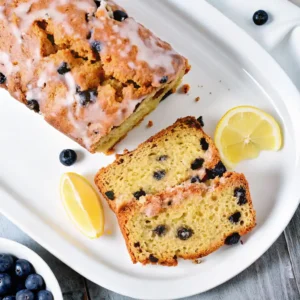
Sourdough Discard Lemon Blueberry Quick Bread (The Ultimate Moist & Tangy Recipe)
Ingredients
Method
- Preheat your oven to 350°F (175°C). Grease a 9×5-inch loaf pan with butter, and line it with parchment paper, leaving a 1-inch overhang for easy removal.
- In a large mixing bowl, combine the granulated sugar and the zest of 2 lemons. Use your fingers to rub the zest into the sugar for about 2 minutes to release the lemon’s essential oils.
- Whisk the melted butter, eggs, sourdough discard, and lemon juice into the lemon-sugar mixture until pale and smooth.
- In a separate bowl, whisk together flour, baking powder, baking soda, and salt. Gradually fold the dry ingredients into the wet mixture using a rubber spatula until just combined.
- Toss the blueberries in a tablespoon of flour (to prevent them from sinking) and gently fold them into the batter.
- Pour the batter into the prepared loaf pan. Smooth the top, and bake for 55–65 minutes or until a toothpick comes out clean or with just a few moist crumbs.
- Let the bread cool in the pan for 15 minutes before lifting it out using the parchment sling and transferring it to a wire rack to cool completely.